Shared by Allegra Ben-Amotz
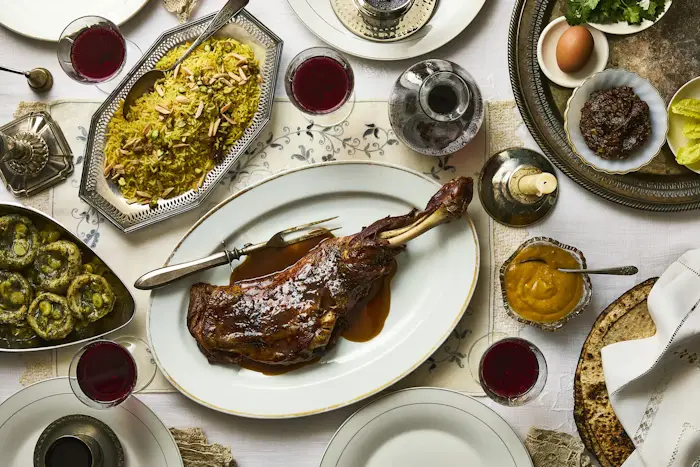
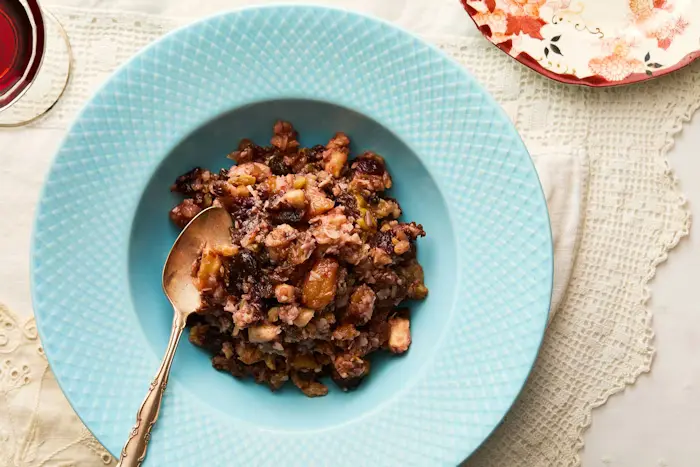
One of the most iconic recipes of the Jewish culinary canon, charoset is an essential part of the Passover Seder. Meant to represent the mortar the enslaved Israelites used in ancient Egypt, the paste is traditionally made from fruits and nuts. Recipes from different communities vary widely, reflecting the ingredients available where they lived. Ashkenazi charoset is made with apples and walnuts, while Yemenite charoset can feature dates, dried figs, and sesame seeds.
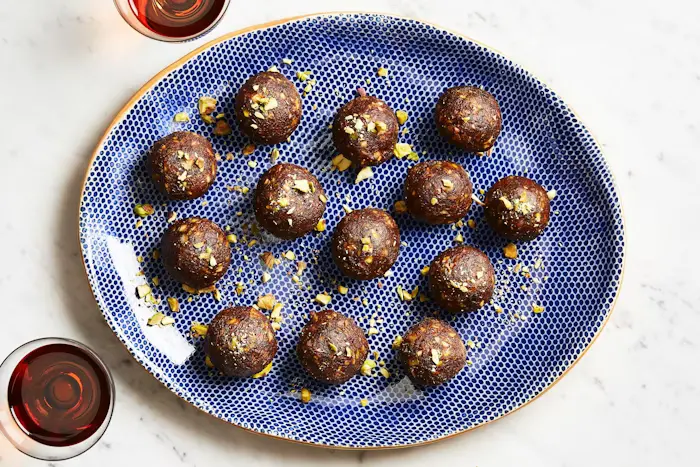
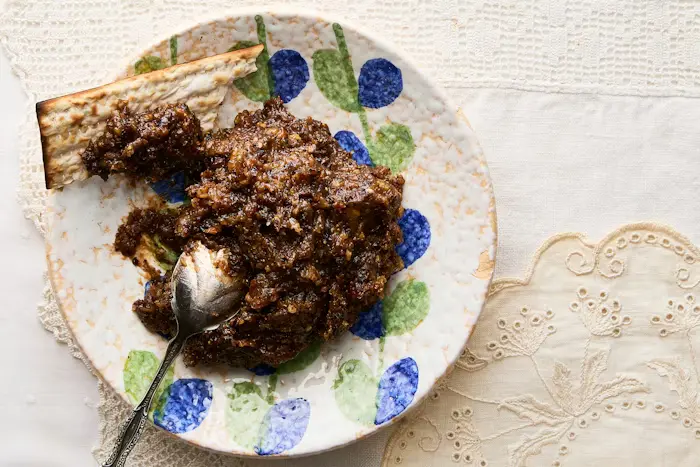
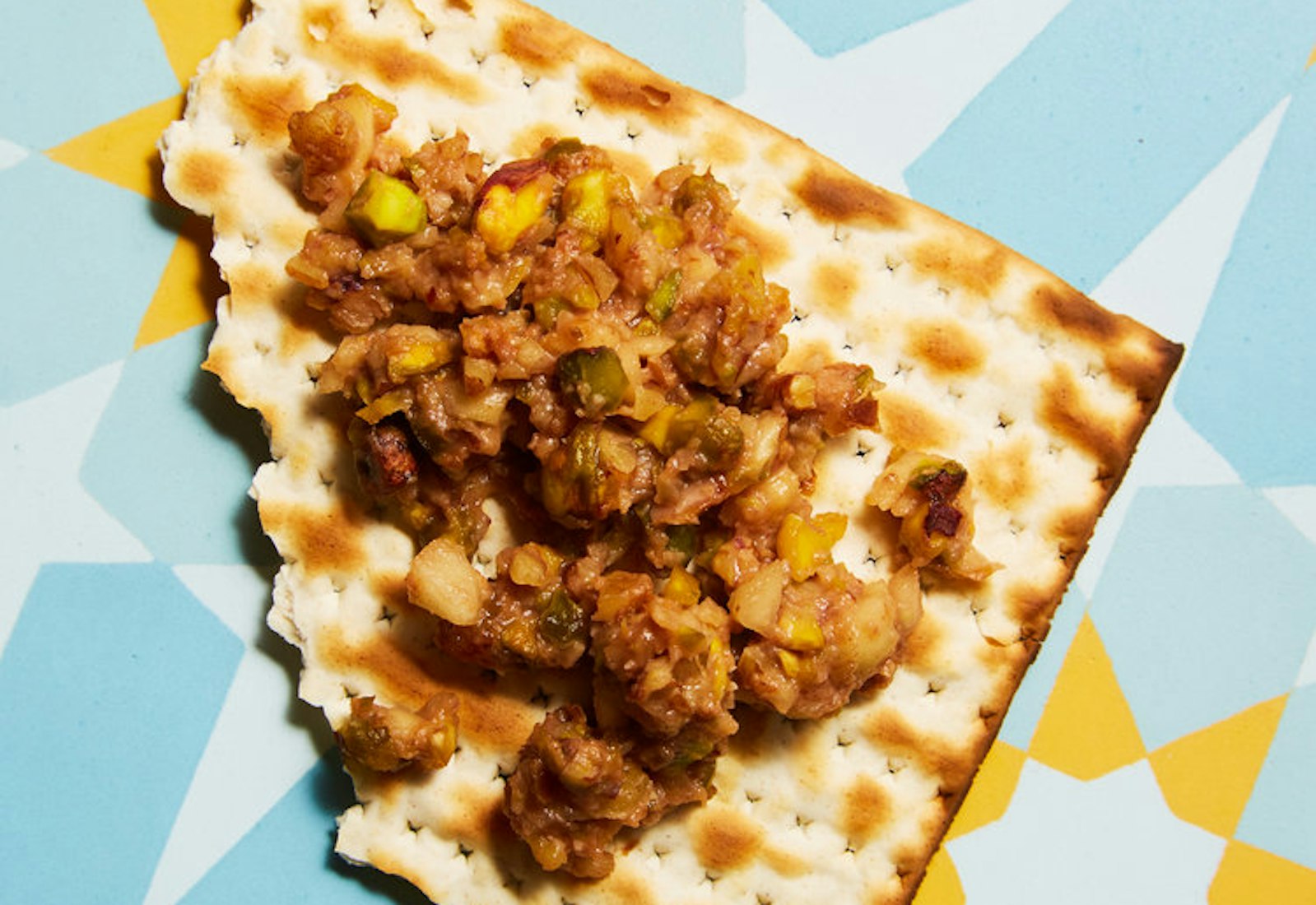
This charoset recipe comes from Allegra Ben-Amotz's Persian family who settled in Mexico City. It bring together bananas, pears, dates, and apples, as well three types of nuts. In Allegra's family, the morning after Seder, it was served over a piece of matzo her grandmother would run under warm water — "wet" matzo, as the family calls it.
Read more about Allegra Ben-Amotz family in "A Persian Charoset Finds New Life in Mexico City."
Coarsely chop walnuts, pecans, pistachios and dates together (or pulse briefly in food processor), until combined.
Add pear, apple, and banana and coarsely chop (or pulse, if using food processor), taking care not to turn into a puree.
Place the mixture in a large bowl and stir in the wine a few tablespoons at a time (or pulse, if using food processor), tasting as you go, to make a thick, coarse paste that still maintains some crunch.
Store in an airtight container for up to a week in the fridge.